

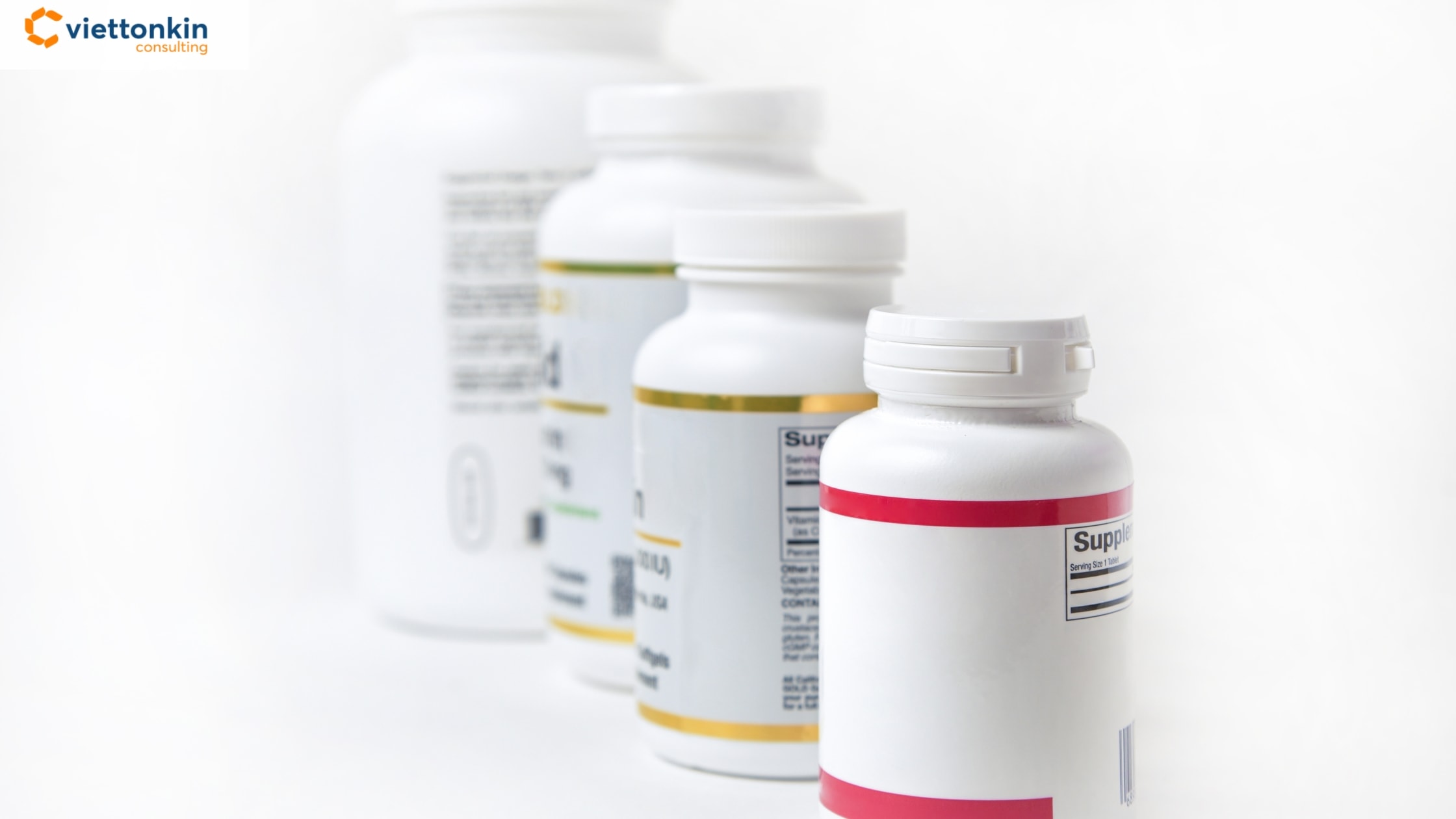
The call came at 7 PM on a Friday. A new foreign investor, ready to launch a high-end wellness industry brand, was told their entire import shipment was blocked at the port. The reason? A mislabeled ingredient that shifted their food supplement into the pharmaceutical category without the proper registration with Badan Pengawas Obat dan Makanan (BPOM) -an agency equivalent to the Food and Drug Administration. This is a common story for those looking to start a supplement company in a new market.
This is where most businesses run into trouble without proper guidance. Indonesia’s supplement market, ripe with growing health conscious consumer demand, is a powerful draw for entrepreneurs. The supplement industry is experiencing significant growth, but long term success demands strict regulatory compliance, not just a great supplement product. This guide will walk you through the entire process, from idea to building a profitable supplement business.
Key Takeaways:
- Compliance is King: Success in Indonesia’s supplement market hinges on strict product classification. The same ingredients can fall under different rules based on claims and dosage, a key part of regulatory requirements.
- Structure First: Choosing the correct legal structure (PT vs. PMA) is critical for securing both a Business Identification Number (NIB) and the vital Import Identification Number (API).
- BPOM is the Gatekeeper: BPOM registration is the non-negotiable gateway. Avoiding this multi-stage e-registration process will lead to customs blocks and financial penalties.
- Labels Matter: Supplement label compliance, especially mandatory Bahasa Indonesia and accurate claims, is a major source of customs and BPOM rejection for new entrants.
- Plan Your Timeline and Budget: Underestimating the cost and time for full compliance (BPOM + warehousing + licensing) can delay your go-to-market plan by 6-12 months and wreck your cash flow statement.
Phase 1: Research and Strategy – The Foundation of Your Supplement Business
Before you even think about a product, success in the competitive supplement industry begins with a solid strategy. This initial phase is about making informed decisions based on data, not assumptions.
Conducting Thorough Market Research
The first step for any new supplement brand is conducting market research. You need to understand the local landscape. Use tools like Google Trends to see what more consumers are searching for. Are industry trends pointing towards gut health, heart health, vegan supplements, or sports nutrition products like protein powders? Analyze existing products to identify gaps in the market. Is there strong demand for a specific type of Vitamin D supplement that isn’t being met? Thorough market research will reveal these opportunities.
Defining Your Target Audience and Business Plan
Once you have market data, you must define your target audience. Who is your ideal customer? Are you targeting athletes, busy professionals, or aging adults focused on overall health? Defining your target customers is crucial for building your brand identity and marketing strategy.
With this information, you can create a comprehensive business plan. This is the roadmap for your own supplement business. It should include your mission, product lineup, financial projections (including a balance sheet and cash flow statement), and analysis of production costs and pricing strategies to ensure healthy profit margins. A well-structured business plan is essential, especially when starting your own business in a foreign country.
Phase 2: Product Development and Manufacturing
With a solid plan, it’s time to create your own supplements. You have two primary paths for supplement manufacturing: private label or custom formulation.
Private Label vs. Custom Formulation
- Private Label Supplements: This is often the fastest way to start. A supplement manufacturer provides you with a stock formula that you can brand as your own. This is great for a new online business as it usually comes with low minimum order quantities (MOQs). You can get to market quickly without heavy R&D investment.
- Custom Formulation: If you want a unique custom product with distinct claims, you’ll need a custom formulation. This allows you to create something truly unique, like personalized supplements tailored to specific consumer needs. However, this path involves a contract manufacturer, R&D costs, and typically higher minimum order quantities.
Your choice will depend on your budget, timeline, and how differentiated you want your supplement brand to be. Ensure any partner you choose adheres to the highest food safety standards.
Phase 3: Navigating Indonesia’s Regulatory Labyrinth
This is the most critical and challenging phase. In Indonesia, regulatory compliance is not optional; it’s the foundation of your entire operation.
Legal Business Structures for Your Supplement Company
When our client called us worried about import issues, the solution became clear when we understood their legal structure. For foreign investors, you will primarily choose between a PT (local company) or a PMA (foreign-owned company).
The PMA route, while providing more control, comes with significant investment requirements. Legally, the company must commit to a Minimum Total Investment Plan of over 10 Billion Rupiah (excluding land and buildings for most sectors), with a Minimum Paid-Up Capital of at least 2.5 Billion Rupiah (equivalent to approx. 160,000 USD). This is mandated under the Government Regulation No. 5 of 2021 (PP 5/2021) and subsequent BKPM regulations. According to PwC’s guidance on Investing in Indonesia, understanding these investment thresholds is vital. Without a valid structure and a Business Identification Number (NIB), your legal journey ends before it begins.
Registering Dietary Supplements with BPOM
BPOM registration is the gatekeeper that governs market access. Which products need BPOM approval? Essentially, all dietary supplements you plan to sell. BPOM e-registration is a multi-stage process that scrutinizes everything.
What I’ve learned from ensuring our clients never face legal surprises is that you must proactively check ingredient restrictions and prohibited claims before manufacturing. A simple claim can instantly reclassify your product, derailing your plans.
Packaging, Labelling, and Halal Compliance
Supplement packaging and the supplement label are subject to strict rules. Non-compliant packaging or missing Bahasa Indonesia labels will halt clearance at the port. From my Hanoi Law University training, I know the theory, but client work taught me that precise implementation of supplement label design is everything.
Furthermore, for a large segment of the Indonesian population, Halal certification is now a mandatory legal requirement, strongly influencing consumer trust. According to Andaman Med, new draft regulations regarding health supplies show that compliance standards are constantly tightening.
Phase 4: Branding and Marketing Your Supplement Business
Once your product is approved, you need a powerful marketing strategy to reach your target market.
Building a Strong Brand Identity
Your brand identity is more than a logo; it’s the story you tell. Your supplement packaging and label design are the first touchpoints for potential customers. They should communicate quality, trust, and the unique benefits of your product, which helps build perceived value.
Reaching Your Target Customers
To sell supplements effectively, you need a multi-channel approach. Optimize your website for search engines so health conscious consumers can find you. Use social media platforms to engage with your community and consider paid advertising to reach a broader audience.
Encourage user generated content by running contests or featuring customer testimonials. This social proof is incredibly powerful. Building customer loyalty through loyalty programs will drive repeat purchases, which is the key to making a supplement business profitable.
Common Mistakes and Tips for Long-Term Success
What I’ve discovered from helping hundreds of clients is that skipping legal steps leads to disaster.
- Never rely on overseas documentation alone without BPOM adaptation.
- Never use aggressive claims in marketing without official approval. Claims made on social media platforms can be treated the same as those on a product label.
- Don’t underestimate the timeline. The operational timeline, from legal setup to final product clearance, is not two months; it’s more typically 6–12 months. Planning for this prevents cash flow problems.
Looking at that successful project completion with our long-term manufacturing client, whose investment value grew 300% over four years, it’s clear that phased, smart scaling based on regulatory stability always outperforms aggressive market flooding, especially as your business grows. This approach is what makes a supplement business not just viable, but highly profitable.
Frequently Asked Questions
What is the average timeline for BPOM product registration for a new food supplement?
The realistic timeline for a new food supplement to complete BPOM e-registration, from submission to approval, is typically 4 to 6 months. This timeline assumes all necessary supporting documents and laboratory tests are perfectly prepared, as delays from documentation errors are the most common issue.
What is the most common reason for customs holding up supplement imports?
In my experience, customs holds are most frequently caused by discrepancies between the product labeling (especially the lack of accurate Bahasa Indonesia translation and usage claims) and the previously approved BPOM registration, or a failure to have the correct Import Identification Number (API) listed on the shipment.
Should I apply for Halal certification immediately after BPOM approval?
Yes, it is advisable. While Halal certification may not be a legal requirement for all dietary supplements, the market demand is extremely strong. Furthermore, it often requires a similar documentation process to BPOM, making it highly efficient to pursue immediately after your BPOM registration is complete to open up a much wider sales channel.
You might also like: Thailand Company Formation Expenses: Comprehensive Guide for Foreign Entrepreneurs